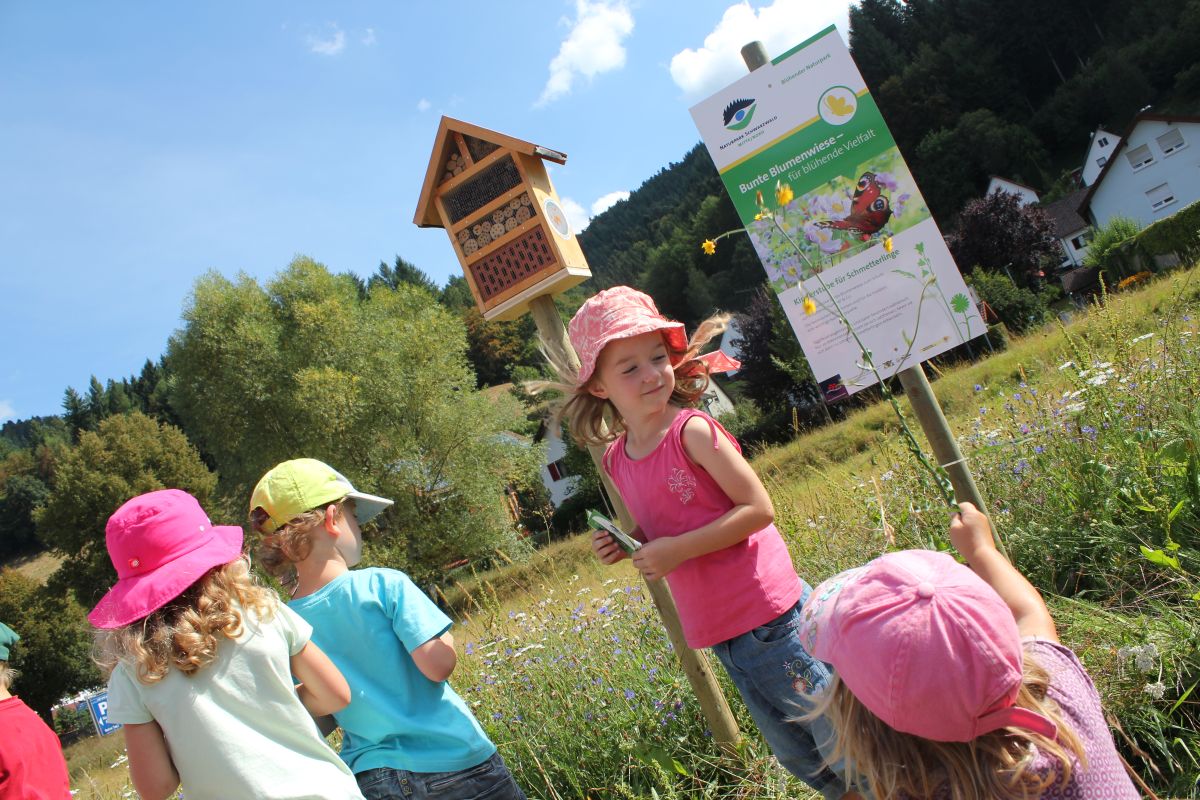
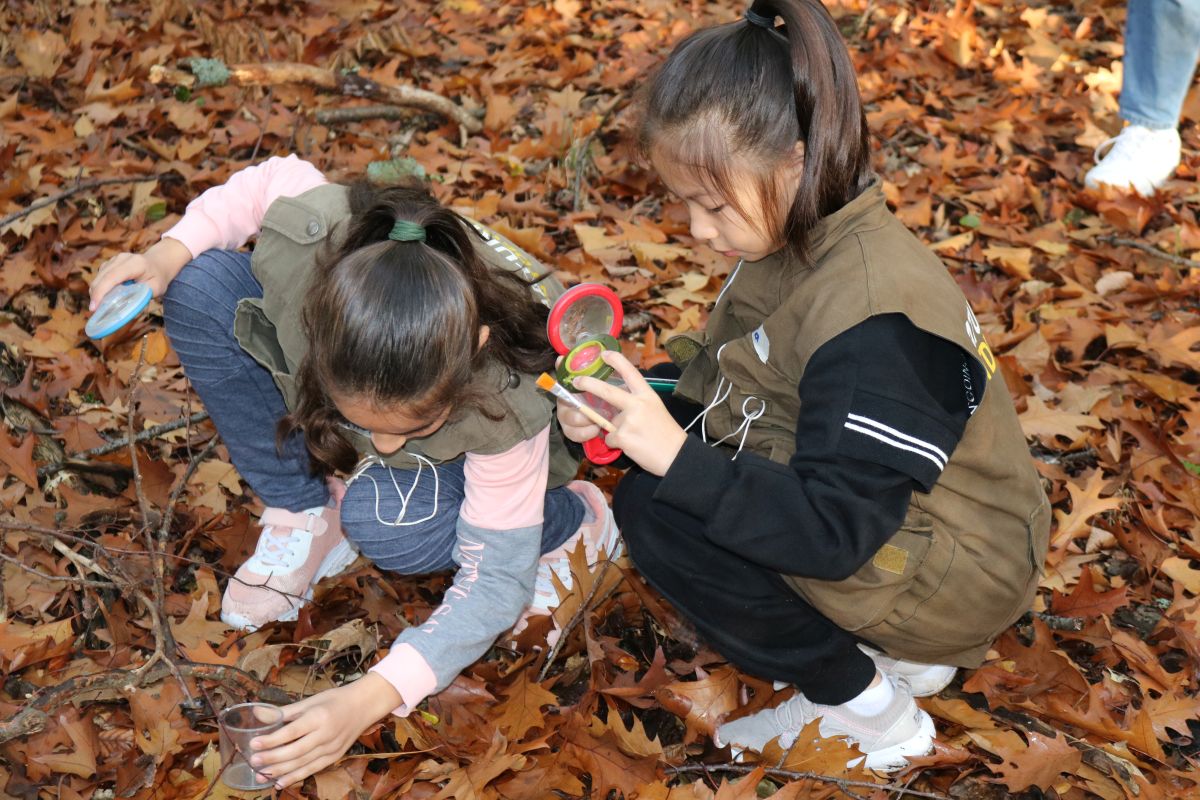
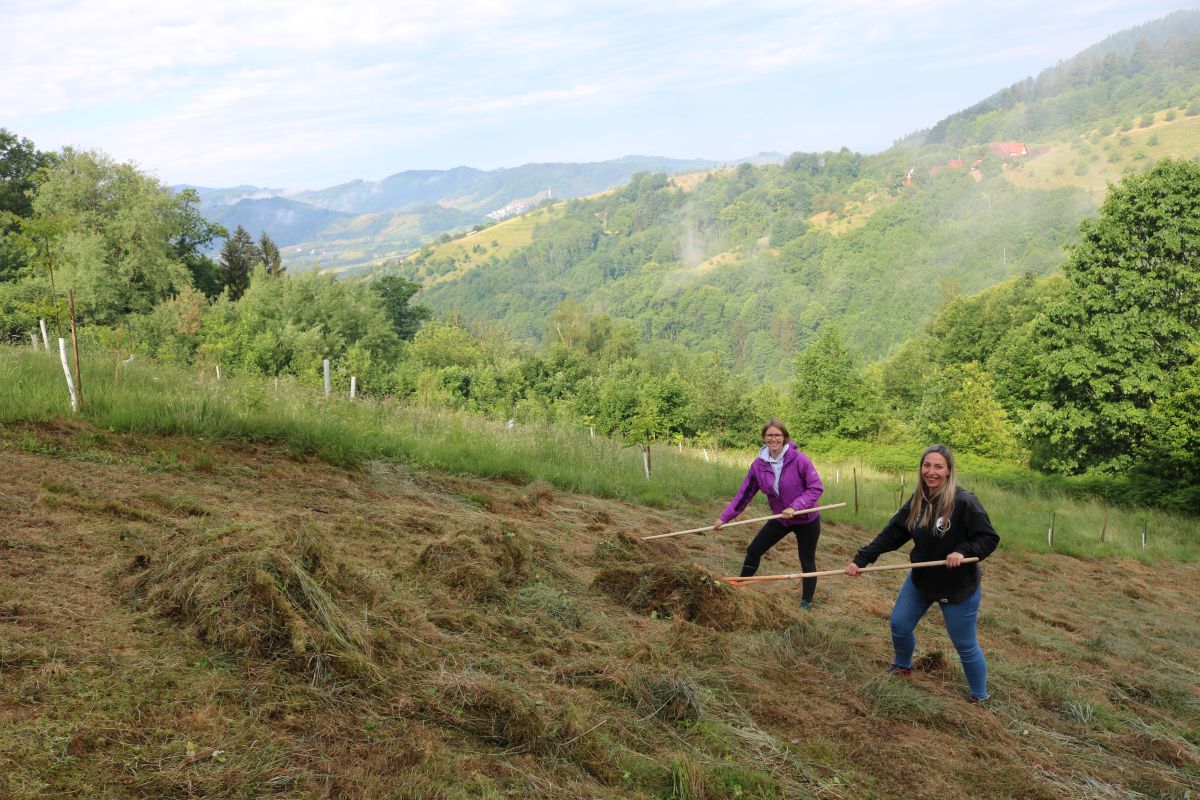
Der Naturpark Schwarzwald Mitte/Nord ist der größte Naturpark in Deutschland und eine Landschaft voller Leben. Um die Natur- und Kulturlandschaft im Schwarzwald zu erhalten und zu fördern, unterstützt der Naturpark zahlreiche Projekte. Erfahren Sie mehr über unser Engagement!
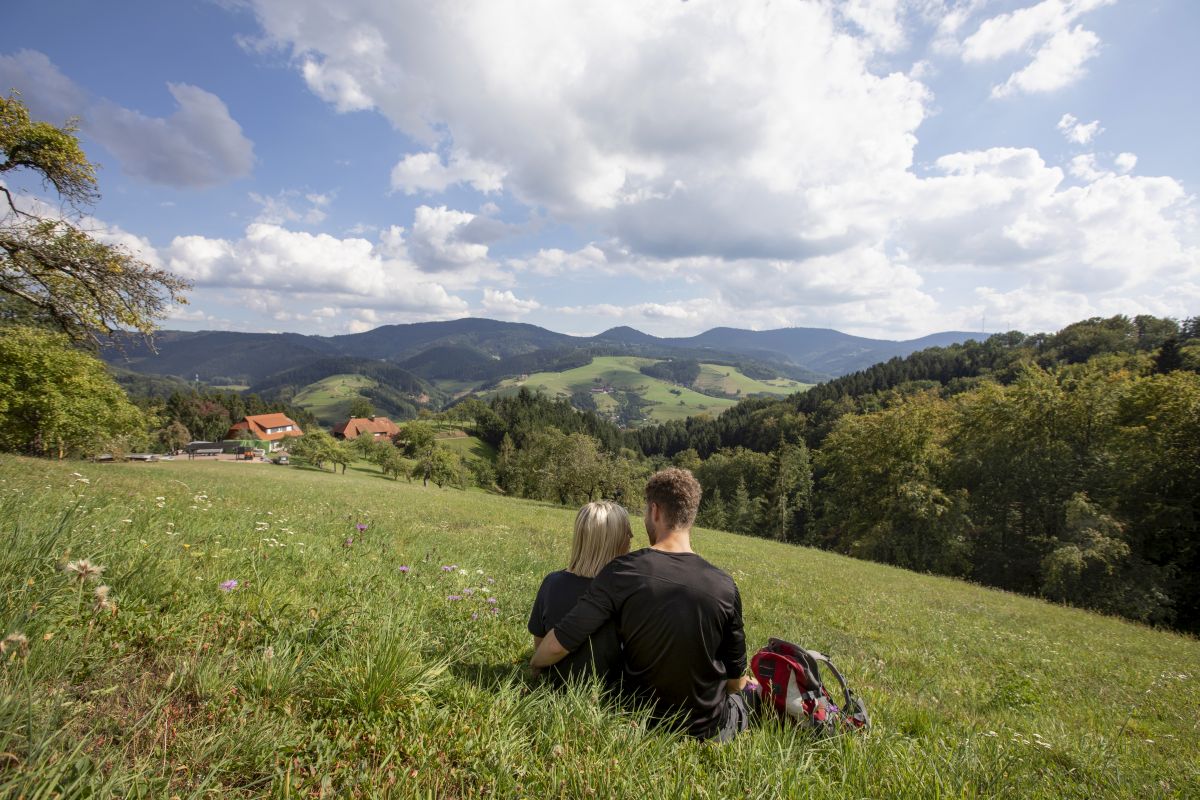
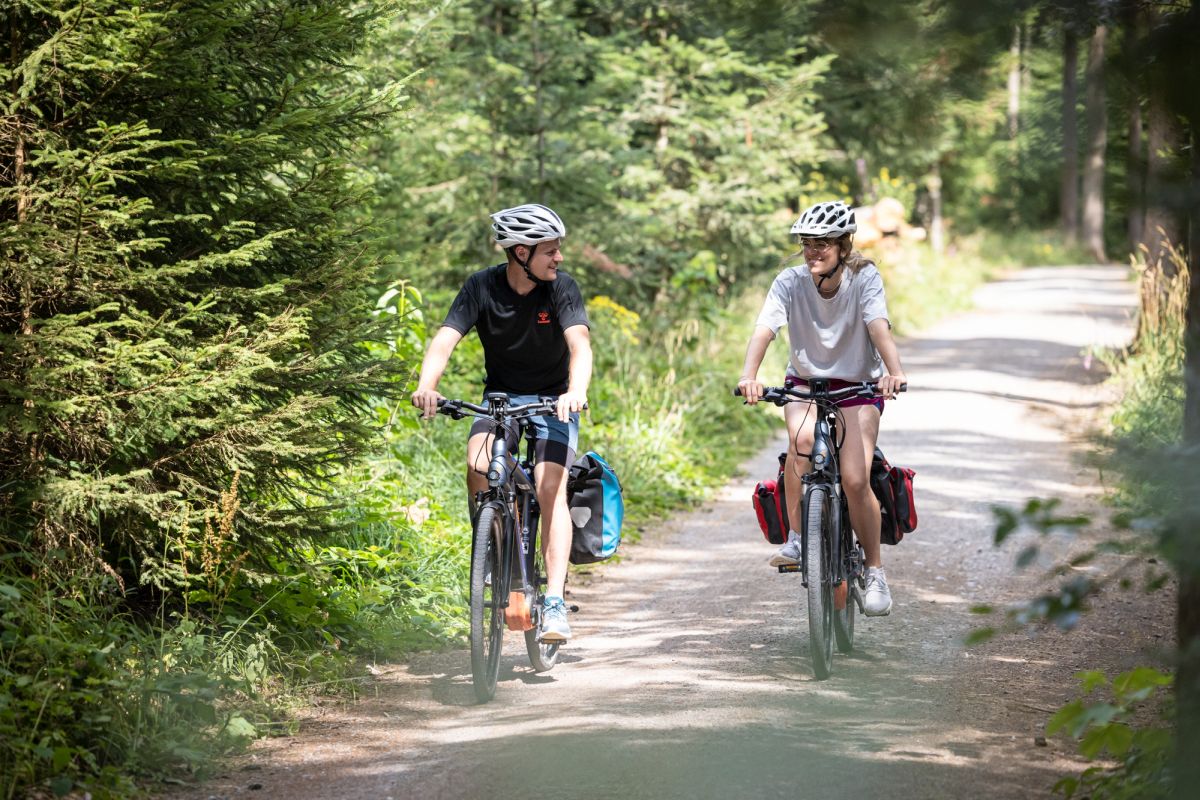
Wanderer, Radlerinnen und Mountainbiker kommen im Naturpark voll auf ihre Kosten. Hier geht es in Wanderstiefeln oder auf dem Fahrradsattel durch malerische Weinberge, urige Wälder und saftige Streuobstwiesen. Entdecken Sie Ihre Lieblingsplätze im Naturpark.
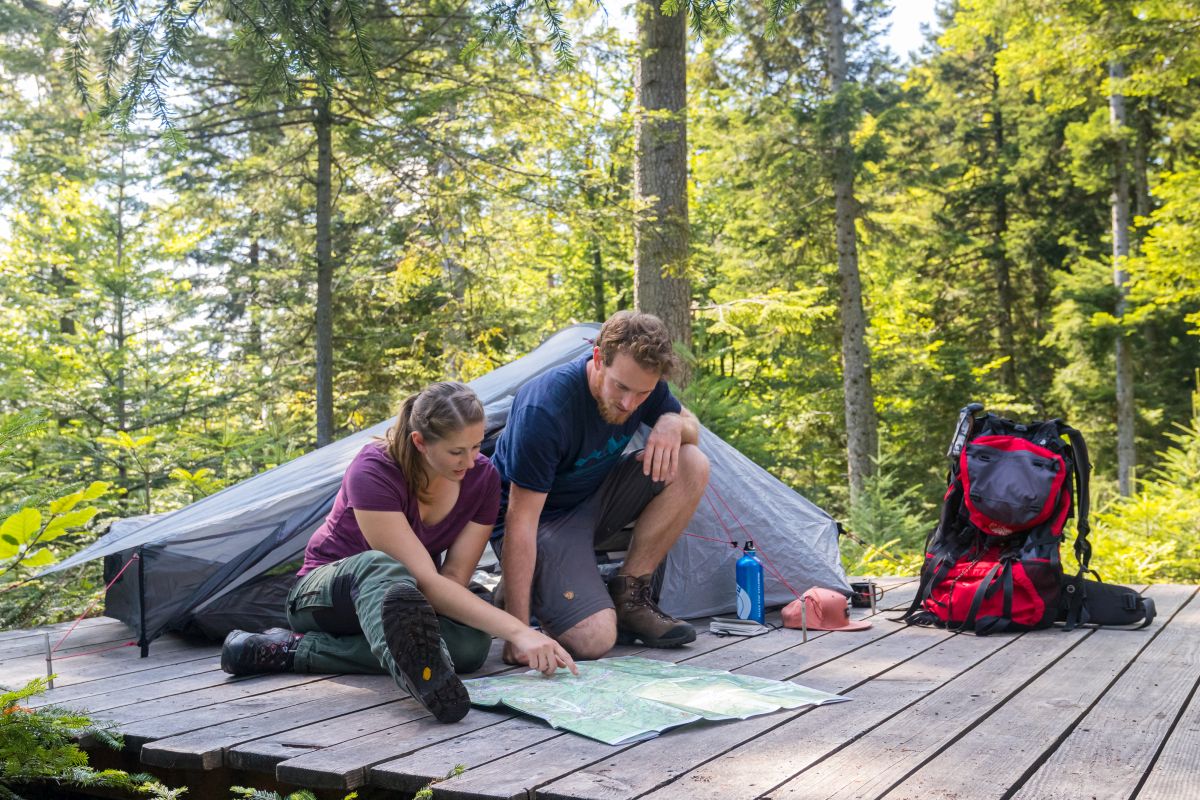
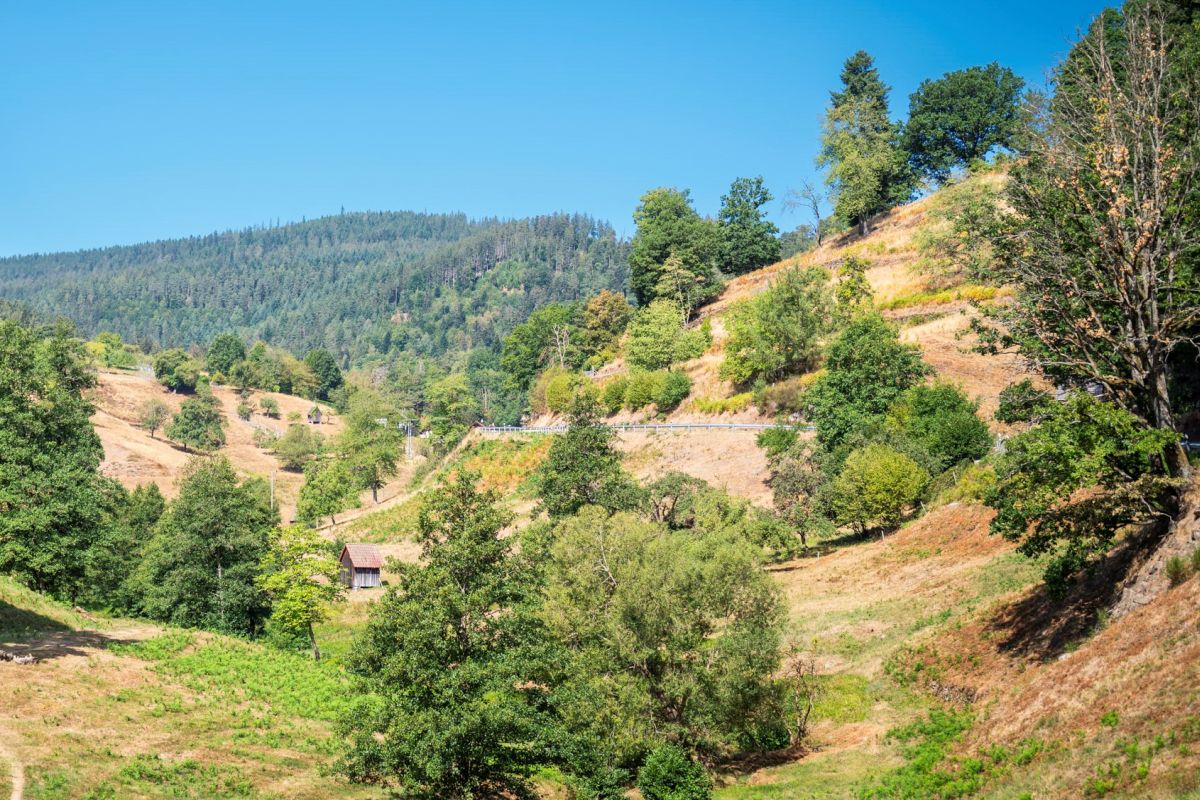
Der Klimawandel ist im Naturpark Schwarzwald Mitte/Nord angekommen. Die Auswirkungen sind in den vergangenen Jahren deutlich sichtbar geworden: trockene und heiße Sommer, schneearme Winter und Wetterextreme. Der Naturpark hat deshalb das Humusprojekt aufgesetzt. Dabei bauen Landwirt/innen Humus auf ihren Feldern auf - unterstützt vom Naturpark, regionalen Unternehmen sowie Städten und Gemeinden in der Region. Zudem bildet der Naturparl Klimabotschafter aus.
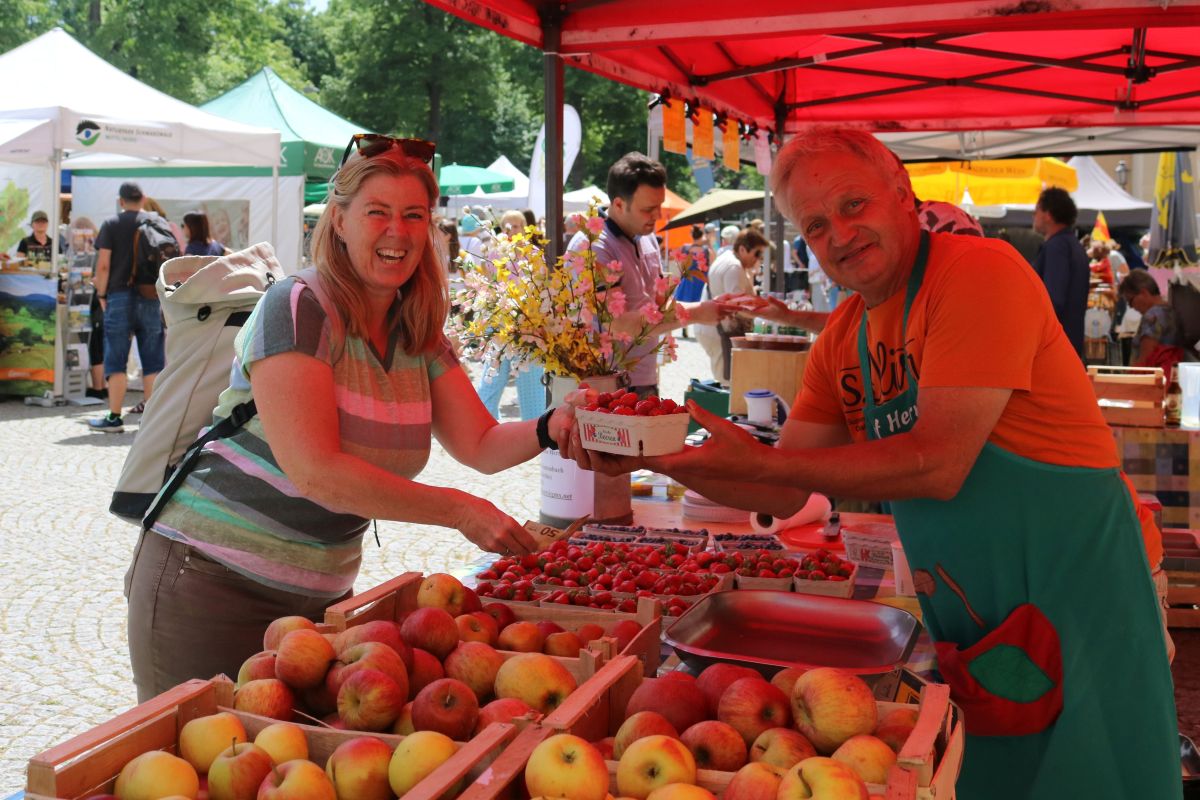
Generationen haben den Schwarzwald und die Vorbergzone als Kulturlandschaft geprägt - der Wechsel aus Wald, Weinreben, Streuobstwiesen und Feldern ist charakteristisch für unsere Region. Die Vermarktung regionaler Lebensmittel hilft dabei, dass der Naturpark so bleibt, wie wir ihn lieben.